
 Facebook
 X
X
 Pinterest
 Copy Link
10 Steps to Get Your Home Clean and Ready for Spring


Warmer months are ahead, so now is the time to plan for spring cleaning and maintenance. A clean home offers a fresh start for the year, and a checklist of tasks guides your efforts towards efficiency. For many homeowners, spring cleaning can be a personal challenge. It can also be one accomplished with the help of the rest of the family or other residents. In some occasions, however, professional assistance may be advised, or even necessary. Regardless, regular home maintenance not only increases your home’s value, but it can also make your home more comfortable and enjoyable.
Indoors
Check Your Attic
Once summer arrives, it can be too hot in many regions to comfortably perform an inspection. Use late winter and early spring to ensure the following: there’s ample insulation (10 to 14 inches), there are no signs of mice or rats (droppings, strong odor, nests), there are no bugs (flying, crawling, or otherwise), and there are no signs of roof leaks (water stains, etc.).
Schedule HVAC Maintenance
Annual tune-ups on your heating/cooling equipment will reduce your energy bill and help ensure you can maintain a comfortable indoor temperature.
Fix the Window Screens
It won’t be long before you’ll want to throw open the windows for fresh air, or relief on a warm afternoon. Take time now to ensure your window screens are ready for the challenge. Many traditional neighborhood hardware stores still offer re-screening services. Contractors also specialize in this service and are available for house calls.
Clean the Ceiling Fans
During the warm weather and the cold, ceiling fans can help moderate the temperature and better distribute the air. But your fans will be far more efficient if you give them a good cleaning a couple times each year. For fans mounted up to 10 feet in the air, you can use a ladder to access the tops of the fan blades. For those mounted on vaulted ceilings, use a long-handled duster.
Apply Weather Stripping
Many homeowners think of weather stripping as a cold-weather commodity, but it’s just as important during summer. To keep the cool air in and the hot air out, use any of the many filler materials available to seal gaps around windows, doors, exhaust fans, and any other point where you can see light peeking through.
Outdoors
Look for Damaged Roof Shingles
Use binoculars (with your feet safely planted on the ground) to scan for roof shingles that are curling, broken, or missing. If anything seems compromised, have a roofing company perform an inspection and provide a bid. If you or any members of your family are enterprising drone users, a camera-affixed drone can also be a useful aid in this reconnaissance effort.
Wash the Exterior
An easy way to extend the life of your exterior paint – and make your house look better than ever – is to give the siding a good washing. Use mostly water (to avoid harming any plants) and a stiff pole brush.
Search Out Rotten Wood
While you’re washing the exterior, keep an eye out for areas where there may be rot. Use a screwdriver to gently but firmly press on any siding or trim where you see black mold, missing paint, or exposed gray wood. If the area you’re probing feels mushy or bone-dry, contact a contractor to assess and stabilize the situation.
Clean the Gutters
All it takes is a handful of leaves to clog a gutter downspout and cause overflow and flooding. Hire a professional to give the gutters a thorough cleaning and you’ll avoid the very real dangers of working from a ladder. If you live in an area with lots of trees, consider getting quotes for some of the leaf-less gutter systems.
Prepare Your Lawn to Grow
The winter sets impediments for your lawn, and it takes preparation to help it shine. Rake away any dead grass and aerate the whole lawn to allow nutrients to access the roots. Reseed bare spots and apply a spring fertilizer to ensure your lawn has the fuel it needs to grow strong and beautiful.
Investing In a Green Home Will Pay Dividends In 2019
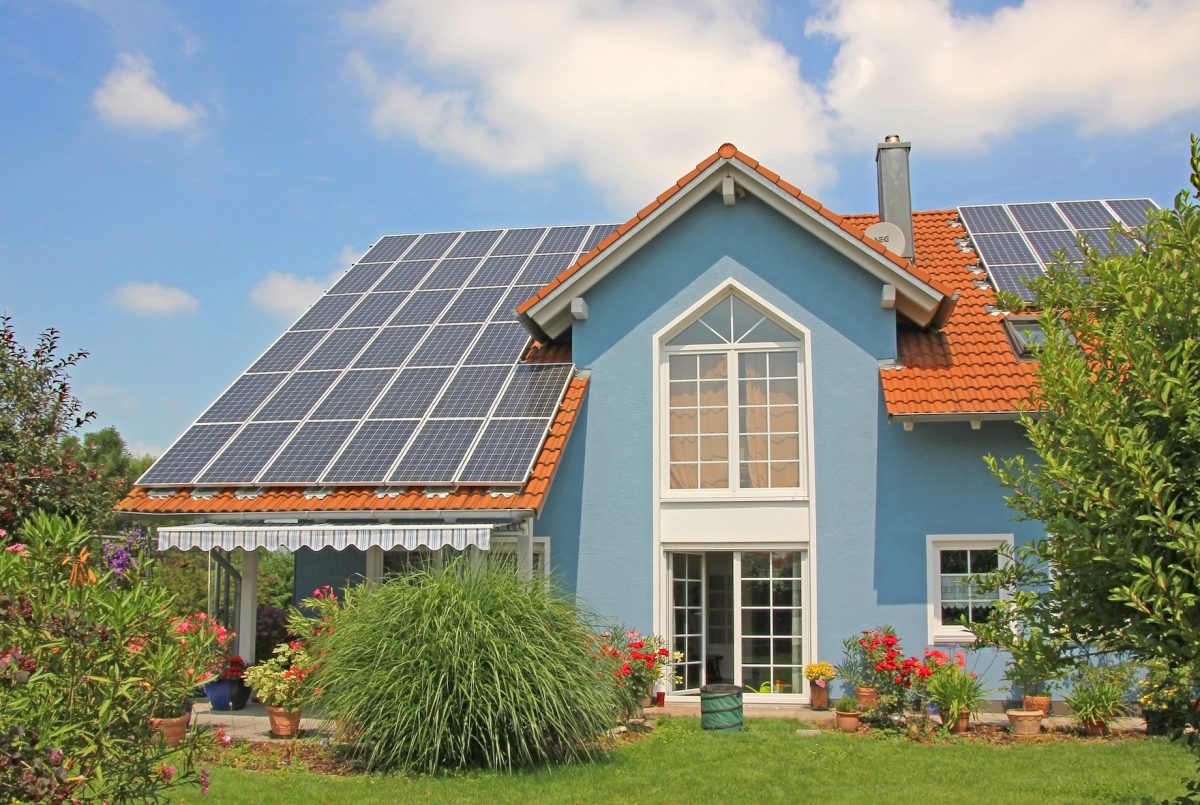
As we step forward into 2019, eco-friendly “green homes” are more popular than ever. Upgrading your home’s sustainability improves quality of life for those residing in it, but it is also a savvy long-term investment. As green homes become more popular, properties boasting sustainable features have become increasingly desirable targets for homebuyers. Whether designing a new home from scratch or preparing your current home for sale, accentuating a house with environmentally-friendly features can pay big dividends for everyone.
While the added value depends on the location of the home, its age, and whether it’s certified or not, three separate studies all found that newly constructed, Energy Star, or LEED-certified homes typically sell for about nine percent more than comparable, non-certified new homes. Plus, one of those studies discovered that existing homes retrofitted with green technologies, and certified as such, can command a whopping 30-percent sales-price boost.
There are dozens of eco-friendly features that can provide extra value for you as a seller. To name a few:
Cool roof
Cool roofs keep the houses they’re covering as much as 50 to 60 degrees cooler by reflecting the heat of the sun away from the interior, allowing the occupants to stay cooler and save on air-conditioning costs. The most common form is metal roofing. Other options include roof membranes and reflective asphalt shingles.
Fuel cells
Fuel cells may soon offer an all-new source of electricity that would allow you to completely disconnect your home from all other sources of electricity. About the size of a dishwasher, a fuel cell connects to your home’s natural gas line and electrochemically converts methane to electricity. One unit would pack more than enough energy to power your whole home.
For many years, fuel cells have been far too expensive or unreliable. But as technology has improved, so too has reliability. Companies like Home Power Solutions and Redbox Power Systems have increased the reliability of these fuel sources while reducing their size. Much like we’ve seen computers and cell phones shrink in size while improving reliability and power, fuel cells continue to be refined.
Wind turbine
A wind turbine (essentially a propeller spinning atop an 80- to 100-foot pole) collects kinetic energy from the wind and converts it to electricity for your home. And according to the Department of Energy, a small version can slash your electrical bill by 50 to 90 percent.
But before you get too excited, you need to know that the zoning laws in most urban areas don’t allow wind turbines. They’re too tall. The best prospects for this technology are homes located on at least an acre of land, well outside the city limits.
Green roof
Another way to keep the interior of your house cooler—and save on air-conditioning costs—is to replace your traditional roof with a layer of vegetation (typically hardy groundcovers). This is more expensive than a cool roof and requires regular maintenance, but young, environmentally conscious homeowners are very attracted to the concept.
Hybrid heating
Combining a heat pump with a standard furnace to create what’s known as a “hybrid heating system” can save you somewhere between 15 and 35 percent on your heating and cooling bills.
Unlike a gas or oil furnace, a heat pump doesn’t use any fuel. Instead, the coils inside the unit absorb whatever heat exists naturally in the outside air, and distributes it via the same ductwork used by your furnace. When the outside air temperature gets too cold for the heat pump to work, the system switches over to your traditional furnace.
Geothermal heating
Geothermal heating units are like heat pumps, except instead of absorbing heat from the outside air, they absorb the heat in the soil next to your house via coils buried in the ground. The coils can be buried horizontally or, if you don’t have a wide enough yard, they can be buried vertically. While the installation price of a geothermal system can be several times that of a hybrid, air-sourced system, the cost savings on your energy bills can cover the installation costs in five to 10 years.
Solar power
Solar panels capture light energy from the sun and convert it directly into electricity. Similarly to wind turbines, your geographical location may determine the feasibility of these installments. Even on cloudy days, however, solar panels typically produce 10-25% of their maximum energy output. For decades, you may have seen these panels sitting on sunny rooftops all across America. But it’s only recently that this energy-saving option has become truly affordable.
In 2010, installing a solar system on a typical mid-sized house would have set the homeowner back $30,000. But as of December 2018, the average cost after tax credits for solar panel installation was just $13,188! Plus, some companies are now offering to rent solar panels to homeowners (the company retains ownership of the panels and sells the homeowner access to the power at roughly 10 to 15 percent less than they would pay their local utility).
Solar water heaters
Rooftop solar panels can also be used to heat your home’s water. The Environmental Protection Agency estimates that the average homeowner who makes this switch should see their water bills shrink by 50 to 80 percent.
Tax credits/rebates
Many of the innovative solutions summarized above come with big price tags attached. However, federal, state and local rebates/tax credits can often slash those expenses by as much as 50 percent. So before ruling any of these ideas out, take some time to see which incentives you may qualify for at dsireusa.org and the “tax incentives” pages at Energy.Gov
Regardless of which option you choose, these technologies will help to conserve valuable resources and reduce your monthly utility expenses. Just as importantly, they will also add resale value that you can leverage whenever you decide it’s time to sell and move on to a new home.
2019 Economic and Housing Forecast

What a year it has been for both the U.S. economy and the national housing market. After several years of above-average economic and home price growth, 2018 marked the start of a slowdown in the residential real estate market. As the year comes to a close, it’s time for me to dust off my crystal ball to see what we can expect in 2019.
The U.S. Economy
Despite the turbulence that the ongoing trade wars with China are causing, I still expect the U.S. economy to have one more year of relatively solid growth before we likely enter a recession in 2020. Yes, it’s the dreaded “R” word, but before you panic, there are some things to bear in mind.
Firstly, any cyclical downturn will not be driven by housing. Although it is almost impossible to predict exactly what will be the “straw that breaks the camel’s back”, I believe it will likely be caused by one of the following three things: an ongoing trade war, the Federal Reserve raising interest rates too quickly, or excessive corporate debt levels. That said, we still have another year of solid growth ahead of us, so I think it’s more important to focus on 2019 for now.
The U.S. Housing Market
Existing Home Sales
This paper is being written well before the year-end numbers come out, but I expect 2018 home sales will be about 3.5% lower than the prior year. Sales started to slow last spring as we breached affordability limits and more homes came on the market. In 2019, I anticipate that home sales will rebound modestly and rise by 1.9% to a little over 5.4 million units.
Existing Home Prices
We will likely end 2018 with a median home price of about $260,000 – up 5.4% from 2017. In 2019 I expect prices to continue rising, but at a slower rate as we move toward a more balanced housing market. I’m forecasting the median home price to increase by 4.4% as rising mortgage rates continue to act as a headwind to home price growth.
New Home Sales
In a somewhat similar manner to existing home sales, new home sales started to slow in the spring of 2018, but the overall trend has been positive since 2011. I expect that to continue in 2019 with sales increasing by 6.9% to 695,000 units – the highest level seen since 2007.
That being said, the level of new construction remains well below the long-term average. Builders continue to struggle with land, labor, and material costs, and this is an issue that is not likely to be solved in 2019. Furthermore, these constraints are forcing developers to primarily build higher-priced homes, which does little to meet the substantial demand by first-time buyers.
Mortgage Rates
In last year’s forecast, I suggested that 5% interest rates would be a 2019 story, not a 2018 story. This prediction has proven accurate with the average 30-year conforming rates measured at 4.87% in November, and highly unlikely to breach the 5% barrier before the end of the year.
In 2019, I expect interest rates to continue trending higher, but we may see periods of modest contraction or levelling. We will likely end the year with the 30-year fixed rate at around 5.7%, which means that 6% interest rates are more apt to be a 2020 story.
I also believe that non-conforming (or jumbo) rates will remain remarkably competitive. Banks appear to be comfortable with the risk and ultimately, the return, that this product offers, so expect jumbo loan yields to track conforming loans quite closely.
Conclusions
There are still voices out there that seem to suggest the housing market is headed for calamity and that another housing bubble is forming, or in some cases, is already deflating. In all the data that I review, I just don’t see this happening. Credit quality for new mortgage holders remains very high and the median down payment (as a percentage of home price) is at its highest level since 2004.
That is not to say that there aren’t several markets around the country that are overpriced, but just because a market is overvalued, does not mean that a bubble is in place. It simply means that forward price growth in these markets will be lower to allow income levels to rise sufficiently.
Finally, if there is a big story for 2019, I believe it will be the ongoing resurgence of first-time buyers. While these buyers face challenges regarding student debt and the ability to save for a down payment, they are definitely on the comeback and likely to purchase more homes next year than any other buyer demographic.
If you enjoyed this article and would like to hear more about the market forecast join us and Matthew Gardner Jan. 25 at 6 PM at the Camano Center on Camano Island. Space is limited, reserve your seat here!
Guaranteed to Please: Holiday Gift Ideas for the Home

Every holiday gift list has at least one person who is tough to shop for. Wavering between a risky guess at clothing that might not fit and just throwing in the towel and buying a gift card can be frustrating. But there’s one thing you can be sure of: everyone on your list probably loves to have their home looking stylish. If you’re hoping to score a big win with the pickiest of people of on your list, here are some of our favorite holiday gift ideas for the home.
Inviting Lanterns

Candles are a time-honored “safe” gift that usually deliver a positive response and are useful in any home. Take that one step further by gifting a stylish lantern to hold those candles. This gift is typically small, simple, and cost-effective, meaning that it’s pretty much the perfect gift idea for even the trickiest of people.
International Inspiration

Maps and globes instill a home with a sense of adventure, and never have there been more décor options for those struck with a bit of wanderlust. One option is an interactive scratch-off map that allows tracking of travel. If wall space is limited, consider a cork globe with push pins that can be used to mark travel destinations.
Sweet Displays

Everyone has a guilty sugary pleasure of some sort, so why not encourage those desserts to be showcased with pride? A dessert display isn’t necessarily something you’d buy for yourself, but it’s a gift that is almost guaranteed to please. Glass is classic, but marble or wood-based displays can blend easily into just about any kitchen design while adding a little extra touch of style.
Keep It Simple, Keep It Smart

If all else fails, you can be assured that everyone on your list this holiday season loves music, podcasts, audiobooks, or some other audio form of media. Thanks to the increasing prevalence and affordability of smart speakers, giving a versatile, high-tech gift has never been easier. For under $30 you can now choose between several options, including the Amazon Echo Dot and Google Home Mini.
Real Estate Forecast 2019


Nationally Recognized Economist, Matthew Gardner, Secured as Keynote Speaker for Community Forum in January
Windermere Real Estate Camano Island & Stanwood has secured nationally-recognized, expert chief economist, Matthew Gardner, as keynote speaker for Real Estate Forecast 2019, a community forum scheduled for Friday, January 25, 2019 at the Camano Center. The forum, which will take a macro and micro look at economy, housing, and the economic forecast, is open to the public at no cost. Reservations are required. Doors will open at 6PM; the presentation will begin at 6:30 PM.
“This past year, our office has been inundated with questions about the economy and whether or not it’s still a good time to buy or sell,” said Marla Heagle, owner/broker of Windermere Real Estate Camano Island & Stanwood. “We encourage our neighbors to attend the forum to get a broader understanding of the current and anticipated state of the real estate market, locally and beyond. We are privileged to have a recognized expert in Mr. Gardner at this year’s event who will, undoubtedly, shine new light on the topic for us all.”
As the Chief Economist for Windermere Real Estate, Matthew Gardner offers more than three decades of professional experience analyzing and interpreting economic data and its impact on the real estate market. As this year’s keynote speaker, Gardner will provide insight into the real estate landscape through a macro lense, looking at it on a global, national, and then regional scale, followed by a more micro concentration of our local market. Attendees will garner real-time knowledge of current market trends in relation to the economy, and how these factors could impact overall buying and selling behaviors in the coming year.
Doors will open at the Camano Center at 6PM for a cocktail and heavy appetizer hour, followed by a 45-minute presentation by Gardner. Attendees will have an opportunity, immediately following the presentation, for an extended Q&A session lasting until 9PM. The Camano Center is located at 606 Arrowhead Road on Camano Island. Reservations are required. Call (360) 387-4663 to reserve your seat, or click the link below.
Making Your Home Smarter With Smart Appliances

Products that let you control every aspect of your home remotely are growing at a rapid rate. Smartphone-connected devices and appliances are increasingly common and deliver a stylish, effective design. You can pick and choose your favorite gadgets to assemble an affordable, intelligent abode on your own terms, or opt for an entire smart home system that does all the work for you.
While home automation is becoming more prevalent, naturally there are more and more products becoming available as “smart devices”. Here are a few types of devices we found that found the mark for function and style:
GE WiFi CONNECT WASHER AND DRYER
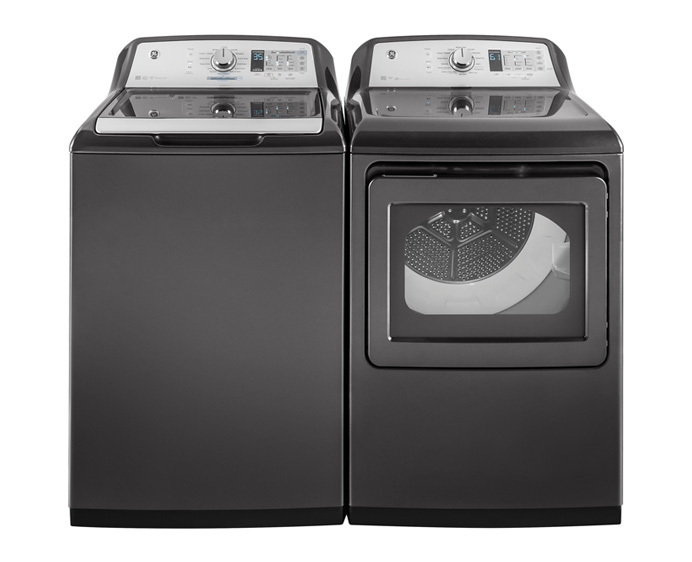
Check washer progress with an app that lets you monitor cycles and settings, extend drying times, monitor levels of Smart Dispense tanks, download custom specialty cycles and receive alerts when clothes haven’t been removed.
LOGITECH HARMONY ELITE, UNIVERSAL REMOTE CONTROL

More than just a TV remote – the Logitech Harmony Elite offers all-in-one control of up to 15 home devices including your TV, satellite or cable box, Apple TV, Roku, TiVo, Blu-ray player, game consoles, plus connected lights, locks, thermostats, sensors and more. There’s even a free app that turns your smartphone into an additional remote.
FRIGIDAIRE SMART WINDOW AIR CONDITIONER

A wifi connected air conditioner that you control through an app on your smartphone allows you to turn the unit on or off, change temperature, control modes and adapt fan speeds – especially handy if you want your home cooled off before you get home!
SAMSUNG FAMILY HUB REFRIGERATOR

A few years ago, having a French door refrigerator with cameras, wifi, and a gigantic touchscreen would have been the stuff of dreams. Today it is a reality. This high-end fridge will let you peek inside it while grocery shopping, search for recipes on the 21.5-inch display, mirror your smart TV so you can keep watching your movie while you grab a drink, share calendars, photos and best of all – it even keeps your food cold.
Decorating Tips For A Guest Room, Before They Arrive For Christmas


Setting up the Christmas decorations in your home creates a sense of magic and the anticipation that the holiday season is just around the corner. If you are expecting guests over the festive period, then decorating your guest room in a style appropriate for Christmas will make them feel welcome. A few personal touches are enough to transform your guest room into one that feels as though it has been especially prepared for your guests. Remember that your room’s primary purpose is to be somewhere your guests can relax and feel comfortable sleeping in, so there is no need to go overboard with the décor. By the time January comes around you will want to revert back to a more traditional look, so don’t make any changes that you cannot easily put back in the New Year.
Keep It Simple.
Even if you are decorating your guest bedroom with children in mind, try to resist the temptation to decorate in the same way as you would a living room. Two or three Christmas-y items in a bedroom are enough to create the desired visual effect without making the room too busy. If you want a traditional Christmas tree, for instance, then select a fairly small one that will not dominate the room. One or two wall mounted decorations are enough. Don’t hang tinsel from every corner of the bedroom.
Red & White
Santa Claus is never seen out of his customary clothing in red and white and these colors will also really work well with your guest room bed linen. Create a bed that says Christmas to your guests by sticking to these traditional colors. Use a bedspread in either red or white and have throws that provide the alternative color. If your guest bedroom is already mostly decorated in neutral white then add a few splashes of crimson to get the Christmas look.
Soften The Style With Pillows & Cushions
To maintain the bedroom feel of your Christmas decoration project, seek out festive soft furnishings. Replace your cushion covers for decorative ones that give a sense of the holiday spirit. Pillow covers are available from many retailers which have a Christmas theme. These soft styling elements can be used year after year, so the costs are not that great if you reuse them.
For more, read this full article here.
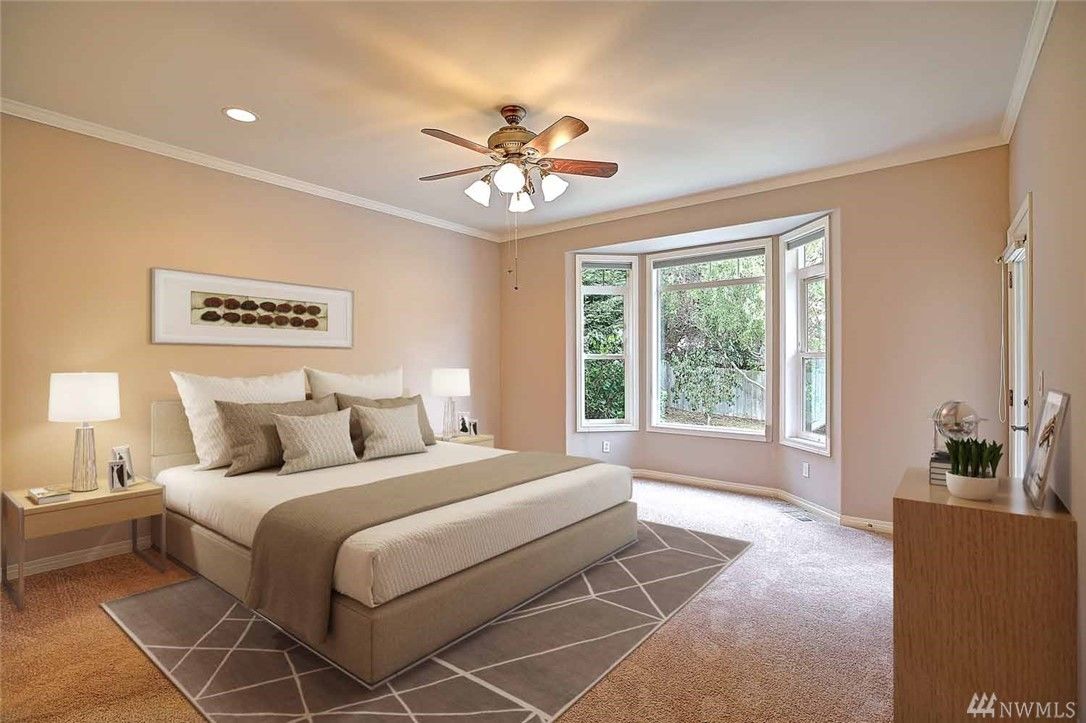
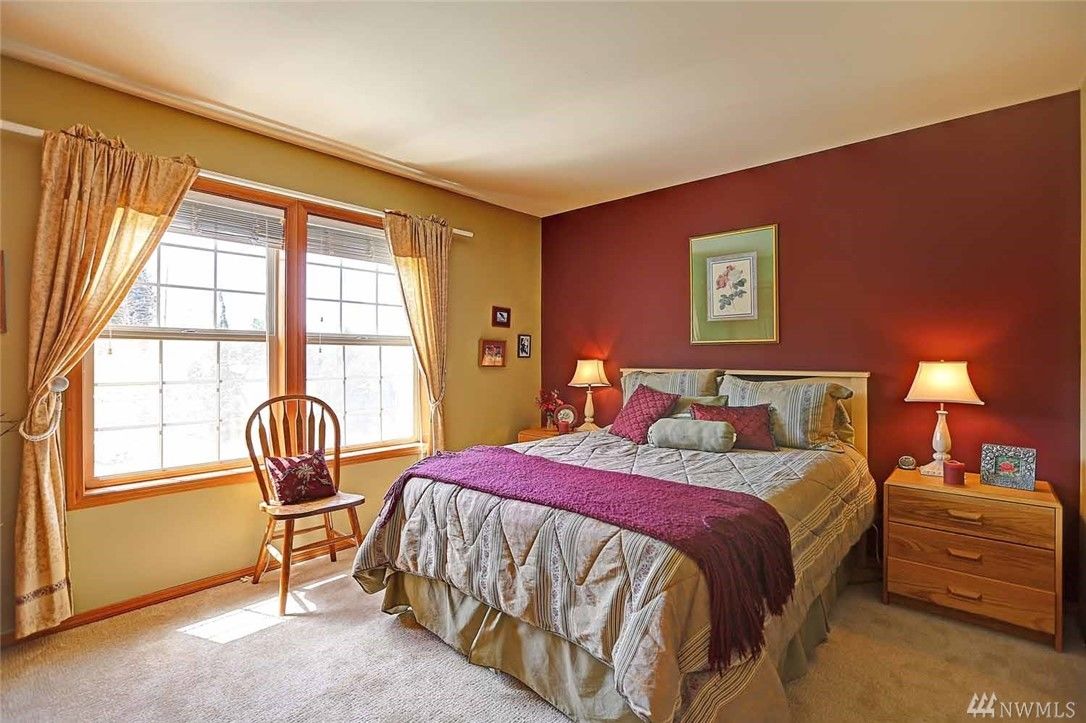
Check out these guest rooms from our local Stanwood-Camano market. Make these guest rooms yours before they’re gone! Call to view them today!
3454 S. Camano Dr. Camano Island
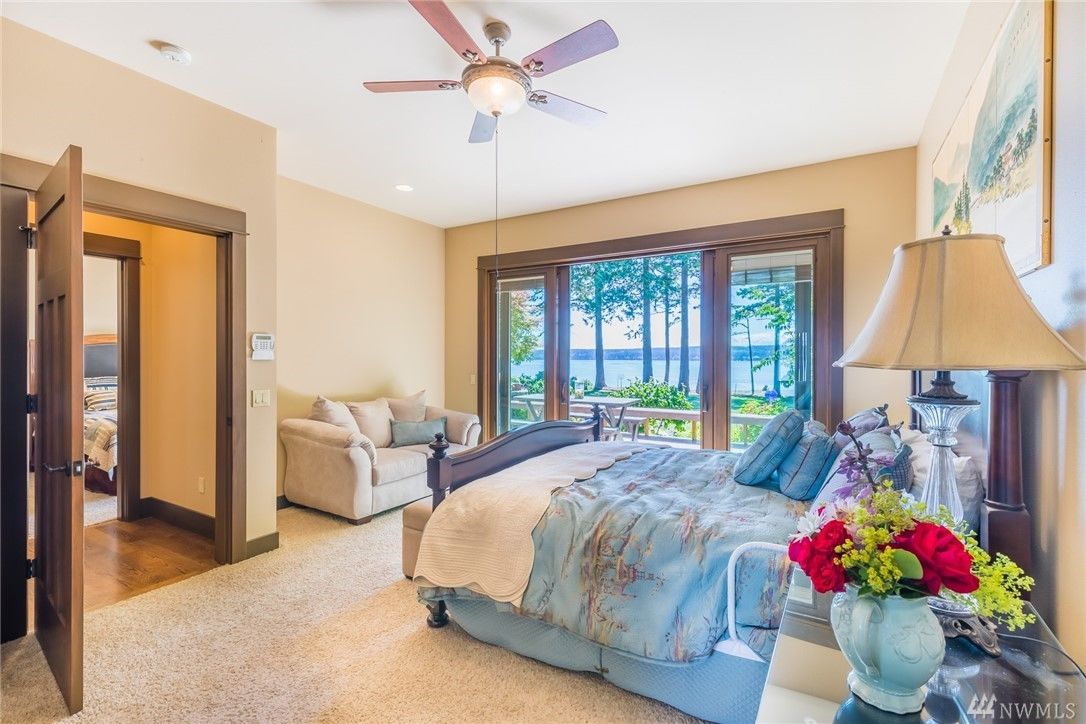
480 Green Island Way, Camano Island

595 N Waynes Ridge Cir. Camano Island
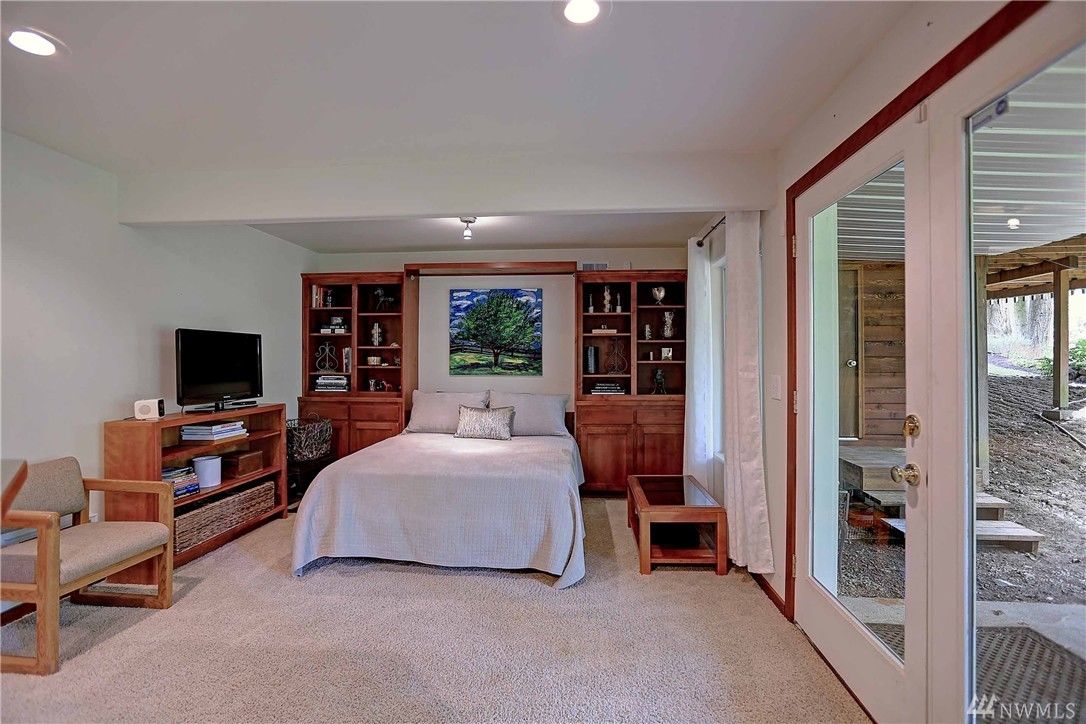
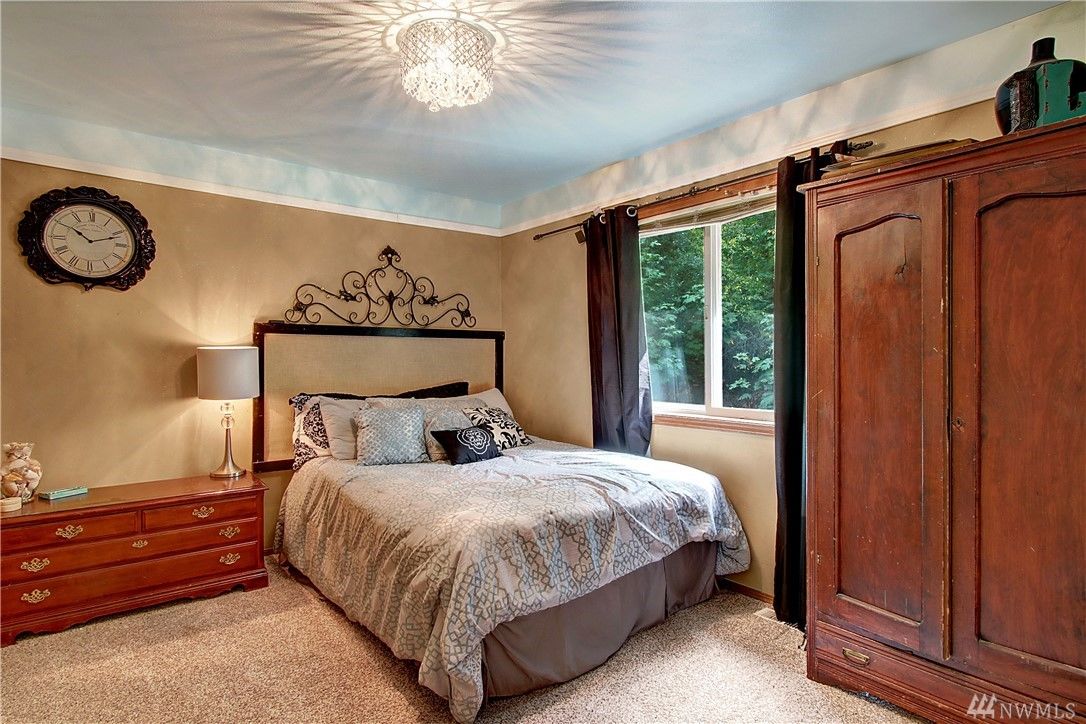
1067 St. Moritz Ct. Camano Island
The Do’s and Don’ts of Hiring a Contractor

Constructing or remodeling a home is a complex, expensive endeavor. Ideally, everything goes as planned, and when the dust clears, the homeowner can settle in and enjoy the new home — and never think about the building process again.
But what happens when, nine months after the owner moves in, the floor develops a crack, the dishwasher begins to leak or the shower water won’t run hot? Or when these things happen three years later? It’s time to refer to an all-important piece of the contract: the warranty.
What Is a Warranty?
The purpose of a warranty is to protect both the homeowner and the builder — homeowners from shoddy work with no recourse; builders from being liable for projects for the rest of their lives.
A warranty may be included in a contract, or it may not be since it’s not required. There is no standard length of time for one. Rather, a warranty is a negotiable portion of the overall agreement (contract) between a homeowner and a contractor.
The laws that relate to warranties are somewhat vague and vary by state, so the advantage of having one as part of the contract is that everything can be clearly spelled out. However, by agreeing to a particular warranty without understanding its finer points, owners may inadvertently limit the protections they would have otherwise had under the law.
“A warranty describes the problems and remedies for which the builder will be responsible after completion of the project, as well as the duration of the warranty and the mechanism for addressing disputes,” says David Jaffe, vice president of legal advocacy at the National Association of Home Builders.
At least in the ideal case.
The Law Governing Warranties
Before homeowners agree to a particular warranty as part of their contract, it’s important to understand what protections they already have under the law. In the U.S., we have a legal concept of an implied warranty — which is a warranty that does not have to be spelled out in the contract but is simply understood to exist thanks to the law. There are two important implied warranties when it comes to home construction.
The first is the implied warranty of good workmanship, which is the reasonable expectation that a home will be built in a workmanlike manner. The second is the implied warranty of habitability, which is the reasonable expectation that the home will be safe to inhabit.
The implied warranties, however, have limits in the form of statutes of limitation and statutes of repose, which essentially are time clocks that determine for how long a homeowner may sue a contractor.
Statutes of limitation in each state dictate how long an owner can invoke various types of legal claims — for example, a breach of contract claim.
Statutes of repose apply specifically to construction projects and set the time for which builders and designers are liable for their product. These also vary by state. In California, the statute of repose is four years for most defects, but 10 years for latent defects (those that aren’t observable right away, such as a faulty foundation). In Georgia, the statute of repose is eight years for all claims related to the design or construction of the building.
Finally, most states also have a right to repair law, which means that before homeowners can sue a contractor, they need to notify the contractor of the problem and give him or her a chance to come to see it and repair it.
To find out what the laws are in your state, simply do an online search for “statute of repose” and “right to repair” in your state.
The One-Year Warranty
The key thing to understand about warranties is that many builders offer their own warranty in lieu of the implied warranty. Additionally, many contracts specify that homeowners are giving up their rights to the implied warranty by agreeing to the builder’s express warranty. Also, builders will “often try to shorten statutes of limitation and statutes of repose. Some states allow you to do that. Others don’t,” says Anthony Lehman, an Atlanta attorney who advises homeowners.
Though there is no industry-wide standard, many residential contractors have adopted a one-year warranty for their contracts. The practice likely trickled down from commercial construction, where a callback warranty is typical. A callback warranty means that within one year, a building owner has the right to call back the contractor and expect him or her to repair work, Lehman says.
The downside for homeowners who agree to a one-year warranty is that they likely trade away their right to the implied warranty, and they may also agree to limit the time they have to discover a defect and sue. Obviously, this is a plus for builders because it limits their risk.
But there is no real reason a homeowner has to accept a one-year warranty simply because that’s the builder’s first offer. “It’s a negotiated point, and people can negotiate warranties that are broader — and they often do,” says Robert C. Procter, outside general counsel for the Wisconsin Builders Association. “If you don’t ask for more, you won’t get more.”
Pros and Cons of a Builder’s Warranty
Though a one-year warranty may seem like a poor deal for a homeowner, a contract with details spelled out does provide an upside: some degree of clarity in the process. Ideally, a warranty includes not only the time period that the warranty covers, but also the standards by which various materials will be evaluated, and the steps to follow when a problem arises.
In a minority of states, the legislature has codified what a warranty is and how long it lasts for a variety of materials, Jaffe says. They are California, Connecticut, Indiana, Louisiana, Maine, Maryland, Minnesota, Mississippi, New Jersey, New York, Pennsylvania, Texas, and Virginia. If you live in one of these states, you can refer to the state-set standards.
If you do not, one option is to refer to the NAHB’s publication Residential Construction Performance Guidelines. “It’s broken down by categories within the home: foundations, exterior, interior, roofing, plumbing,” Jaffe says. “If there’s an issue that comes up, you look in this publication, and it tells you what the observation is — what’s the problem.” The guide then spells out what the corrective measure — if any — should be.
If you decide to use this guide as the standards by which problems will be judged, be sure you read it first and are comfortable with its terms. Sometimes having the terms spelled out is simpler than relying on the implied warranty because the implied warranty is so vague.
“The implied warranty doesn’t have a fixed time; it’s a reasonable period of time,” says Jaffe, of the NAHB. “If you’re a homeowner, and you call your builder up in year five and say, ‘There’s a crack here, and I think you should come out and fix it because it’s a defect,’ well, at that point, it may or may not be related to something that the builder did or didn’t do. Is it a defect? Who is going to make that determination? What is the fix? Who is responsible for it?”
Relying on the implied warranty means that these sorts of questions would need to be resolved in court if the parties aren’t willing to, or can’t, come to an agreement on their own. Open for debate is whether an item is a warranty item, and for how long it’s covered. Having these issues determined in court can be an expensive, time-consuming headache for everyone involved.
Still, some attorneys say owners might be better off with the implied warranty than giving up their rights for a limited one provided by the builder. “You build a house, and you expect it to be there for a long time. The buildings in Europe have been there a long time. The pyramids have been there a long time. The question is how long is it reasonable for you to expect it to last,” says Susan Linden McGreevy, an attorney in Kansas City, Kansas, who specializes in commercial real estate work. “If it has to get before a jury, the contractor has lost already. What I mean is, the jury will always find in favor of a homeowner — unless they’re a real flake.”
Going Beyond Warranties
Despite all this talk of legalities, there is an important caveat: Many good builders will continue to be helpful even after their express warranty has passed. Anne Higuera, co-owner of Ventana Construction in Seattle, provides a one-year warranty to her clients. Nonetheless, Ventana has made repairs and fixes even years after the one-year warranty expired. Higuera says the company does so because the builders want good relationships with their customers, and because they feel as though it’s the right thing to do. “Warranty issues come up very rarely if you do things well in the first place,” Higuera says. “Just finding a contractor who does the right thing on the front end helps you avoid issues with warranty.”
More Ways to Protect Yourself
So what should homeowners do if a builder is offering only a one-year warranty? One option is to negotiate for a longer period of time. “You might want to say, ‘I’ll take a one-year warranty for everything except latent defects,’” McGreevey says. (Reminder: Those are the kind that take a long time to discover, such as foundation problems.)
Another option owners have is to ask builders about insurance products. Many builders offer products with an extended warranty — as long as 10 years — that is backed by insurance companies. These are typically paid for by the builder, with the cost passed on to the homeowner.
Third, homeowners would be wise to consult an attorney to make sure that they’re not giving up rights unknowingly. Given that owners are spending thousands to hundreds of thousands of dollars on construction, paying for five to 10 hours of an attorney’s time (at $300 per hour, $1,500 to $3,000) to ensure that the contract is sound is probably a good investment. “Would you buy a car for $50,000 and not read any of the financing information?” says Lehman, the Atlanta attorney. “And then people do that for a home construction project.”
Finally, the most important thing is for both contractors and owners to screen each other carefully. “Ninety-eight percent of the homeowner-builder relationships, when there’s a disagreement, most parties reach a reasonable conclusion, even if they’re not 100 percent happy,” says Procter, the Wisconsin attorney. “The contracts matter more when someone is not being reasonable.”
Real Estate in the Age of Technology

Are Real Estate Agents Still Relevant in the Age of Tech?

Windermere Stanwood-Camano Real Estate Brokers are deeply connected to the issues that face local home-buyers and sellers. In this series of blogs, The Broker’s Perspective, Windermere Stanwood-Camano Brokers provide insight into current Real Estate market trends and topics.
This week, we take a look at an article from Forbes about Real Estate agents being relevant in the “Age of Tech.” Nancy McClure, a broker from our Terry’s Corner Camano Island office, gives us her perspective on this article.
More Than Just the Home Search
It’s true that buyers today are doing most of the legwork when it comes to actually finding listings. But according to Nick Bailey, president and CEO of Century 21 Real Estate, that initial search is only a small portion of the overall home buying process.
“Historically, buyers and sellers needed data,” Bailey said. “They needed to know what’s on the market, the price and property specifics. Today, consumers need access to see properties and then help analyzing the data and negotiating through a process that is the most complex it’s ever been.”
In fact, according to New York broker Jed Lewin, the “real work” doesn’t even begin until a property is under contract—when things like negotiating, inspections and, in Lewin’s case, dealing with co-op boards come into play.
Still, having buyers already knowledgeable about the market can make the process easier—for both parties.
“Online listings completely changed the way that people interact with their home search, and has led to buyers and sellers being much more sophisticated about the market, which is a great thing,” Lewin said. “People conducting their own searches means that buyers are better informed and therefore more realistic about what their budget will allow, and sellers are more attuned to what their properties are worth.”
At the end of the day though, buyers generally still need assistance navigating the process. Throw in today’s red-hot market and historically low inventory levels, and having an agent’s expertise might be more important than ever.
“It’s clear that while home-buyers are embracing technology, most still require the guidance of an agent to help save them time, keep them organized, and successfully take them through the closing process to get the best deal,” said Daniel Maloney, head of sales at Owners.com. “Technology will continue to revolutionize the real estate market, but consumers still value and rely on their real estate agent.”
At the end of the day, and despite all the tech that’s out there, that’s what it all comes down to: what the agent can offer above and beyond the confines of the web.
“While the internet is replete with information, it’s the agent’s knowledge that makes the difference between mediocrity and extraordinary,” Bailey said. “The irony is that the digital revolution has helped scale the importance of human knowledge and shared experiences. Technology is constantly evolving and so, too, must the agent and the real estate company.”
Read the entire article here.
Windermere Broker Nancy McClure gives her perspective.

Nancy McClure, Broker, Realtor
Looking at our local Stanwood-Camano market, do you find that when a buyer comes to you they have already done their research online or via mobile technology? And are they only using your services to show homes they have already picked out online?
Buyers usually come in with a list of homes they have found online, but we sit down together and most often end up changing the list. Buyers may not know what they want based on their online search. Many times when we first meet with the buyer to discuss their needs they realize that they need something more, or different than what they had initially envisioned. Good agents have a knack for reading between the lines and pulling out more of what they are looking for vs. what they are expressing. Although the initial online search provides a great starting place, narrowing down a buyer’s search is really a person to person individual process.
When and if a buyer comes to you with a list of homes that they have found online, do you find the information to be accurate and complete?
Not always. Some sites tend to be behind; when this happens, the list a buyer brings in to me can be outdated. The local market is still moving fast. Homes can go pending and sold so quickly that a list that was done on Monday can sometimes be outdated by Friday.
Although a lot of information about these properties can be found online, one of the most important things when buying or selling a home is having a knowledgeable local agent. For example, in our area, beach rights, beach access, wells (community and private), and septic systems all have an effect on the value and usefulness of a property. An out of area or “online” brokerage generally will not be able to represent, and more importantly, protect the buyer’s interests the way a knowledgeable local agent can.
There is no secret that Windermere Stanwood-Camano has the market share in the Stanwood-Camano area. Does the online technology provided by Windermere allow home shoppers to search all of the listings in the area easily, including listings from other Real Estate companies?
As this article suggests, buyers have access to a multitude of online real estate searches. Windermere provides complete and up-to-date search capabilities with all of the Northwest Multiple Listing Service’s information. This means that a buyer can go to any Windermere “home search” web page (agents & brokerage websites) and search through all the currently listed homes regardless of what company listed the home. All Windermere agents are equipped with the same technology access and provide this information to potential home buyers and sellers as part of our comprehensive service.
Super bowls: Chili’s and chowder’s compete at Camano cook-off

Palmer’s chili won Best Chili for the third time in the past four years at the Chili & Chowder Cook-Off on Camano Island. The contest marked its 23rd year Nov. 10.
Twenty-four contestants competed for the titles of Best Chili and Best Chowder on Camano. A record-breaking 1,761 people — including this reporter — voted for their favorites. The top three chilis and chowders were awarded trophies. The Camano Chamber of Commerce hosts the annual cook-off.
Best Chowder went to the Tulalip Resort Casino and YMCA Stanwood-Camano. The team also won for its chowder in 2017. Chef Perry Mascitti’s Pacific Northwest Seafood Chowder is made with crab and lobster stock, crushed tomatoes and five kinds of seafood.
Palmer, who named her recipe after a Statue of Liberty on her Camano Island property, was the only contestant not tied to a local business. Her tried-and-true spicy stew is mostly meat — sirloin, bacon, pork, sausage — with a healthy dose of hot peppers that are charred to add a smoky flavor.
A special thanks to Evan Thompson and The Herald.

